What to do if you discover a Leak
Help! I have a leak!
A leak can turn from a small inconvenience into a stressful mess very quickly, especially if you are not sure where to shut the water off. Understanding isolation taps and how to turn off water if there is a leak gives you more control in an emergency and helps you protect your home while you arrange a proper repair.
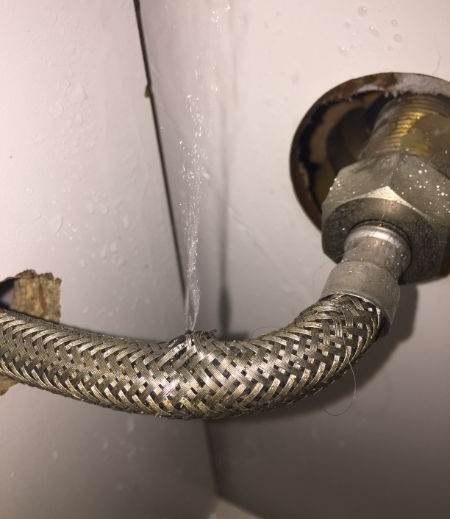
What should I do if I find a leak?
If water is leaking, your first priority is to stop or reduce the flow as safely as possible. Turn off the nearest isolation tap if you can identify it, or shut off the main stop tap if the leak is serious, spreading quickly, or coming from an unknown source. Once the water is off, switch off nearby electrical appliances if it is safe to do so, contain the water with towels or a bucket, and contact a plumber if the issue cannot be fixed immediately.
How Isolation taps work
Isolation taps are small valves fitted to pipework so that water can be turned off to one fixture or appliance without shutting down the whole property. They are commonly found beneath sinks, behind toilets, near washing machines, close to dishwashers, and around some showers or baths where access panels are available. Their purpose is simple: they let you isolate part of the plumbing system for repairs, replacement, or emergency control.
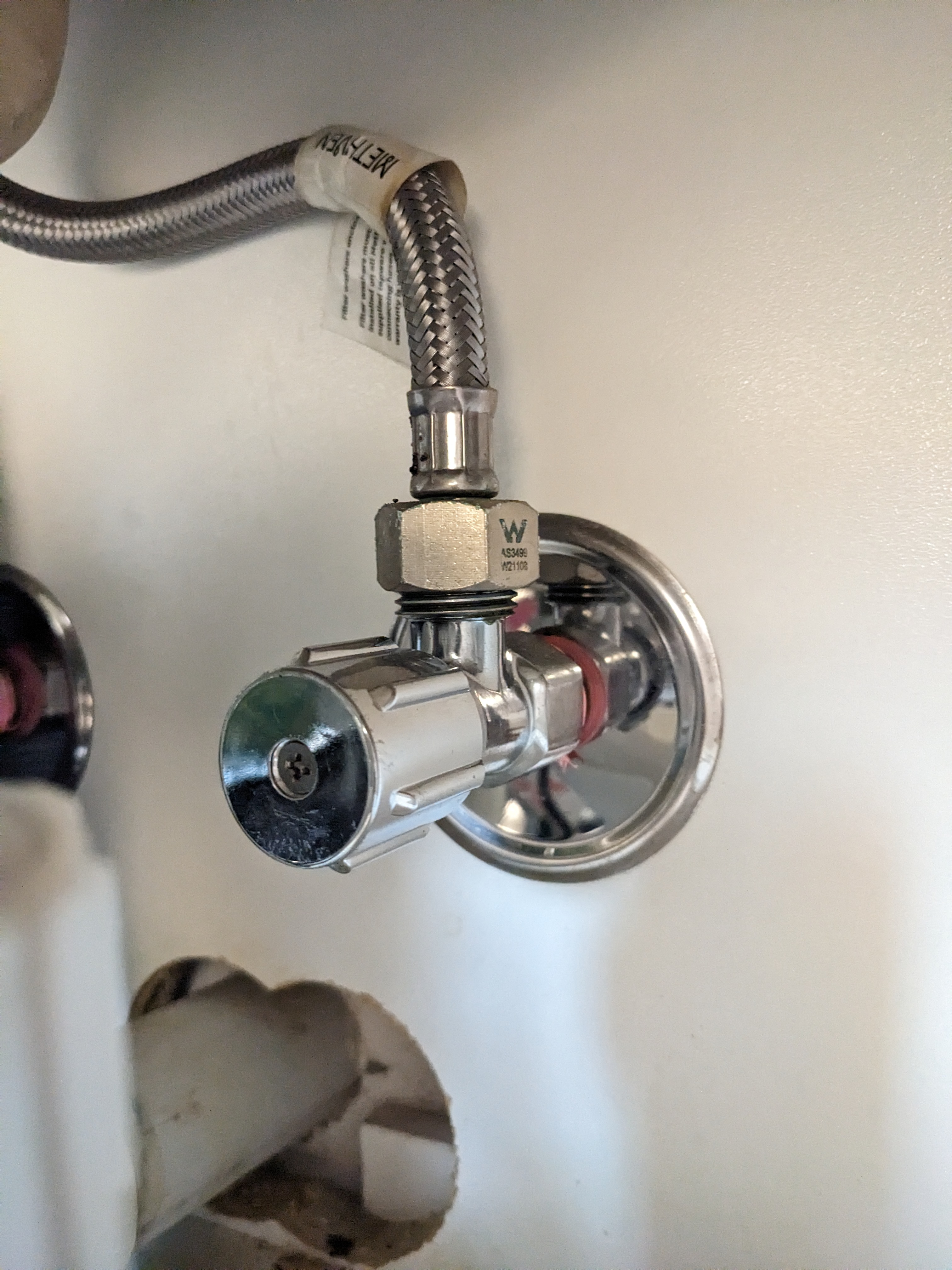
See the image example of a common style of isolation valve you will find under a sink that stop the flow of water to your tap:
When the main tap is the safer option:
Sometimes it is better to stop the whole water supply immediately. If water is pouring from a burst pipe, coming through a ceiling, running near electrical fittings, or spreading faster than you can contain it, go straight to the main stop tap. Local isolation is useful, but it is not worth losing time when the source is unclear.
You should also use the main stop tap if the isolation valve does not fully close. Older valves can become stiff, worn, or blocked with scale. In some cases, turning the small screw appears to close the valve, but water continues passing through. That means the valve may need replacing.